Through the Machobane Farming System, MADF equips communities with sustainable, climate-smart farming skills, growing stronger farms, healthier families, and resilient livelihoods.
Driving out hunger
in Lesotho
01
The Challenge
The Crisis Facing Lesotho's Farmers
Lesotho rises dramatically from 1,500 to 3,200 meters above sea level. Only 13% of this mountainous terrain can support agriculture. Yet for rural communities, farming isn't just livelihood—it's survival.
Today, those communities face a perfect storm: degraded soils that yield less each season, increasingly erratic rainfall, devastating droughts and floods, and a food security window that has shrunk from 3-6 months to nearly zero in poor harvest years.
Over 75% of the population is classified as either poor or vulnerable to poverty. As traditional employment in mining and textiles erodes and climate shocks intensify, rural families find themselves trapped in deepening food insecurity and economic vulnerability.

02
Activities
What we've been up to
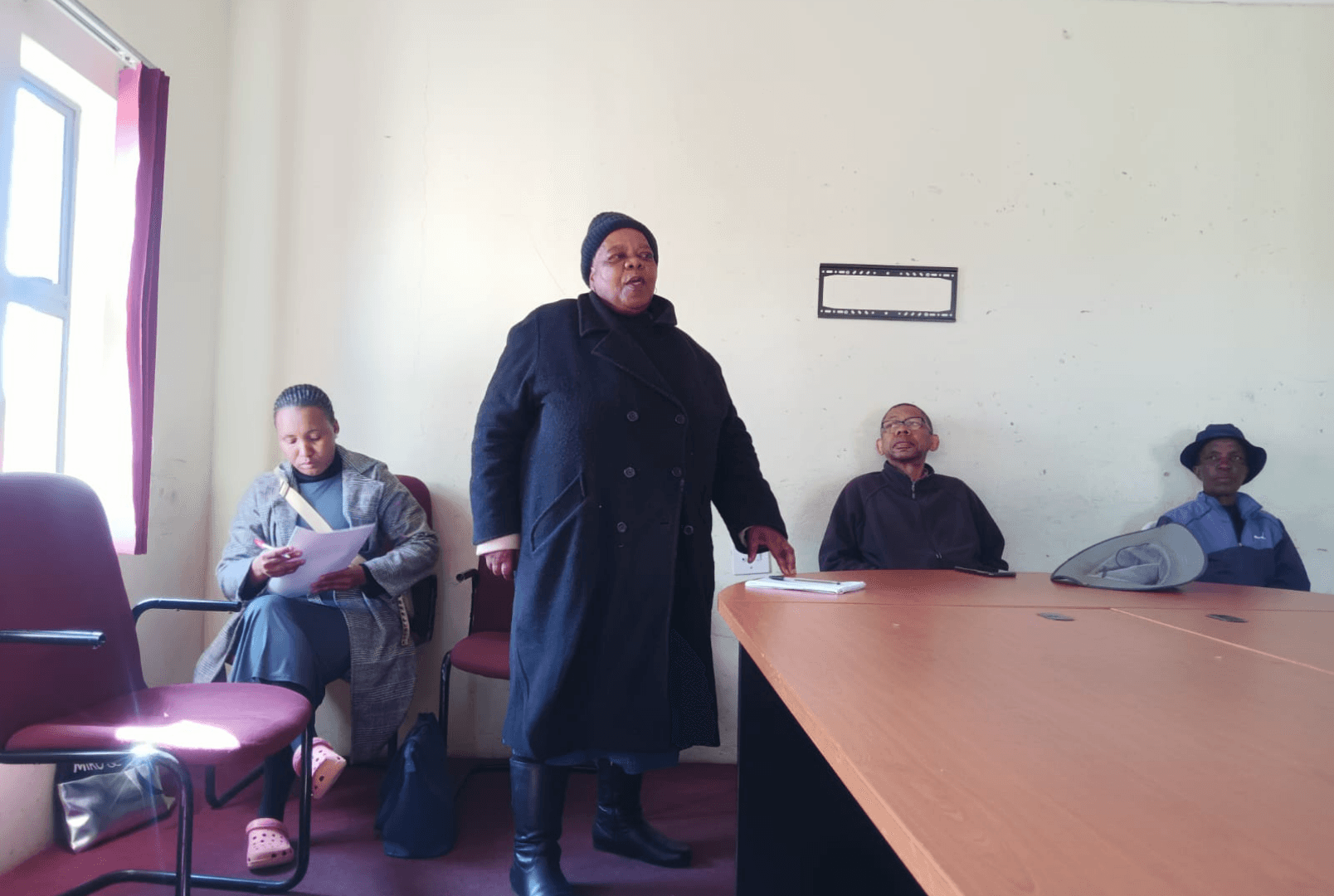
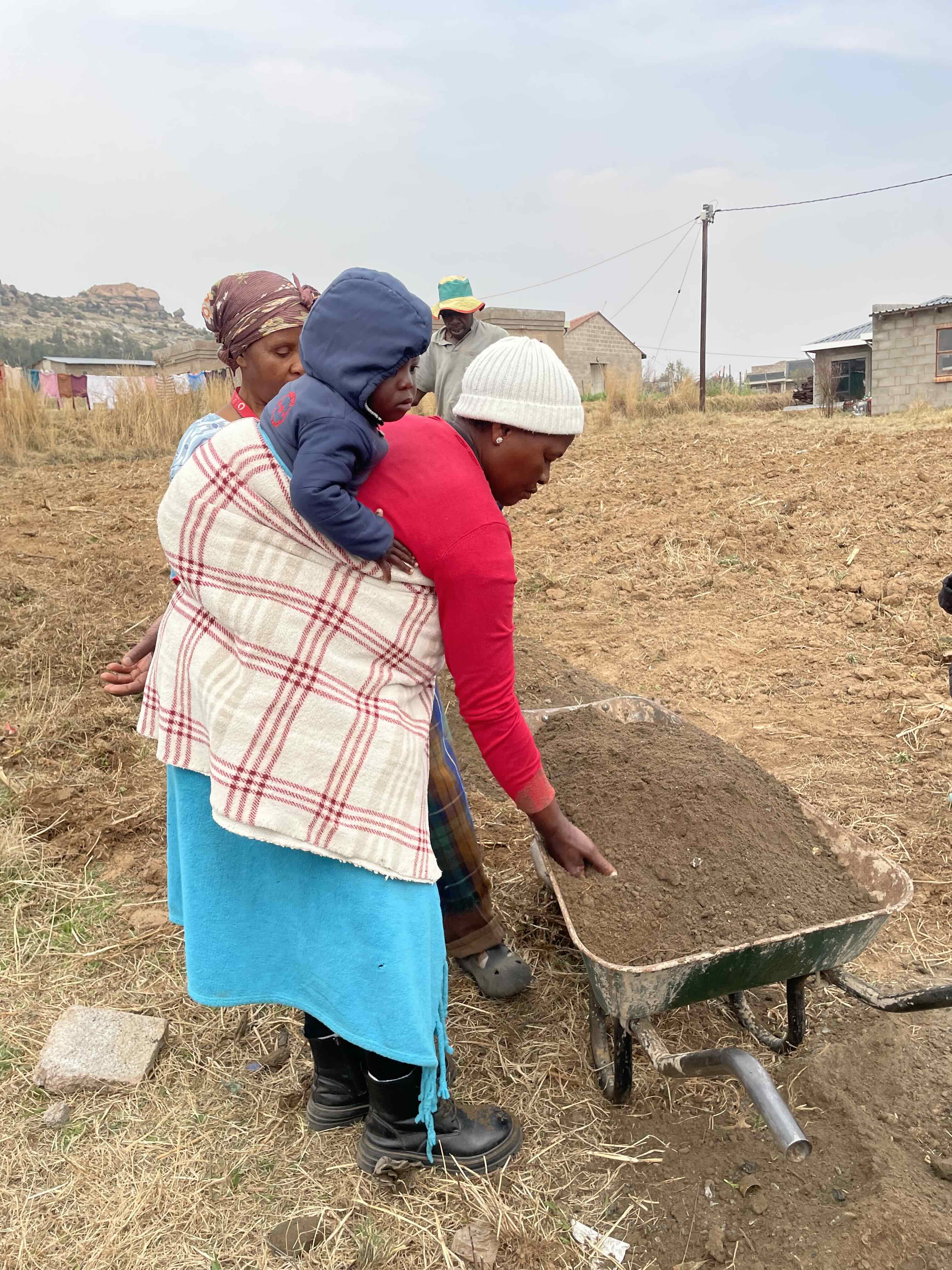
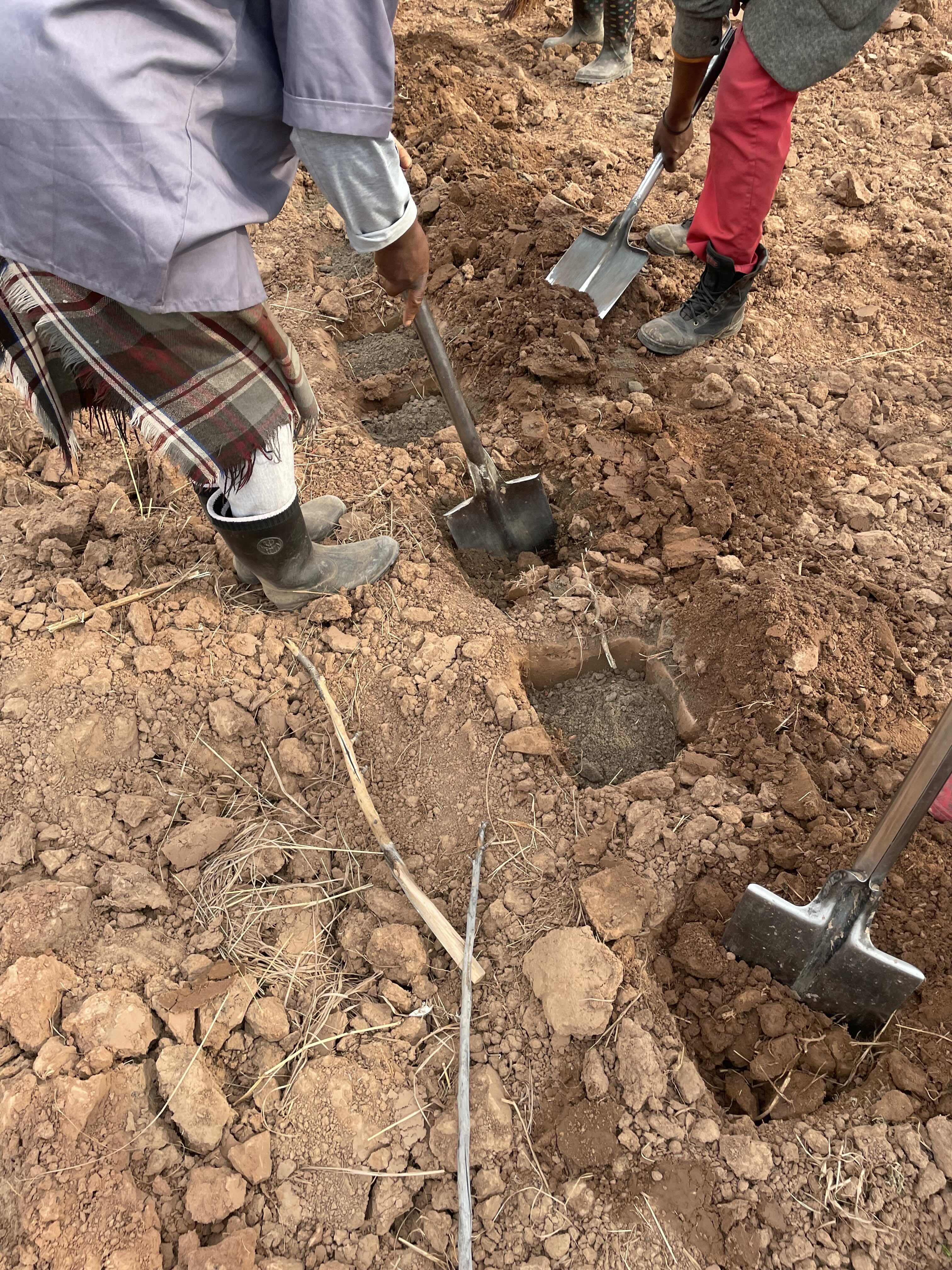
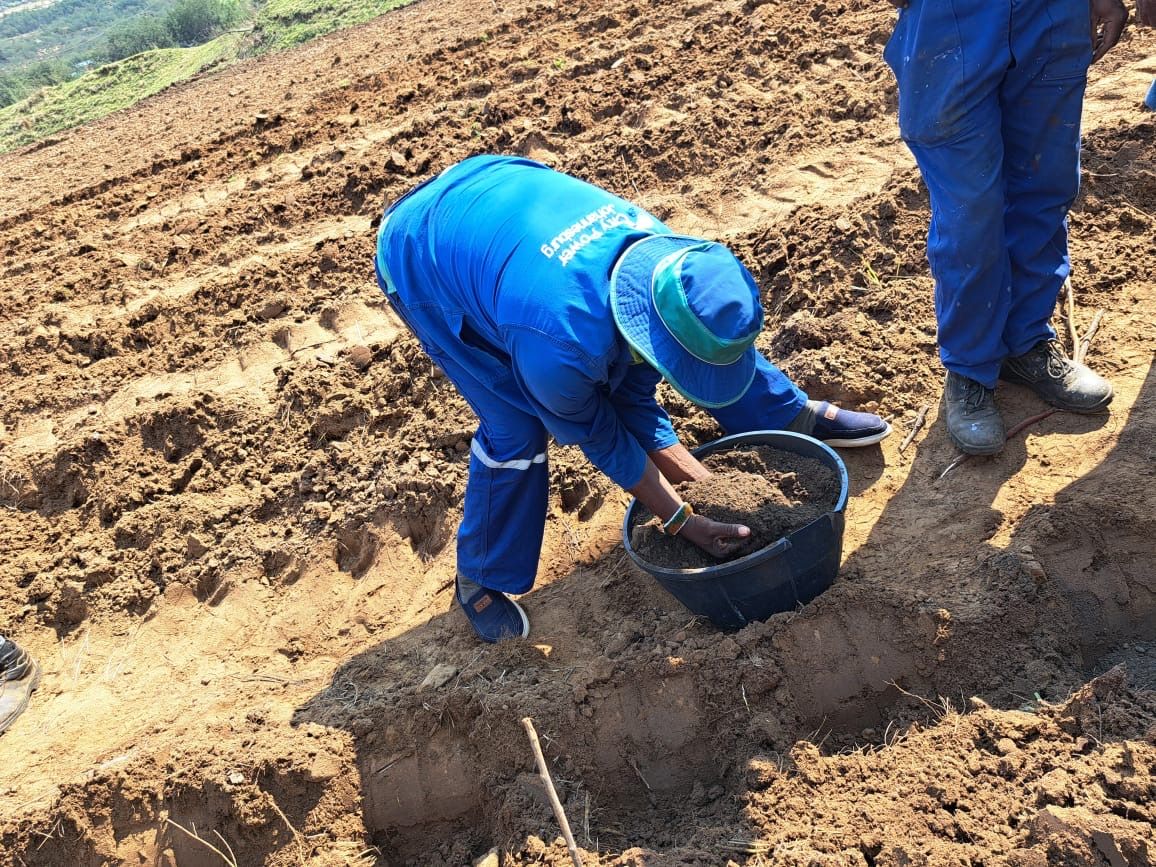
A look at what MADF has been doing to empower farmers and strengthen food security across Lesotho.
03
What is MFS?
The MFS Difference
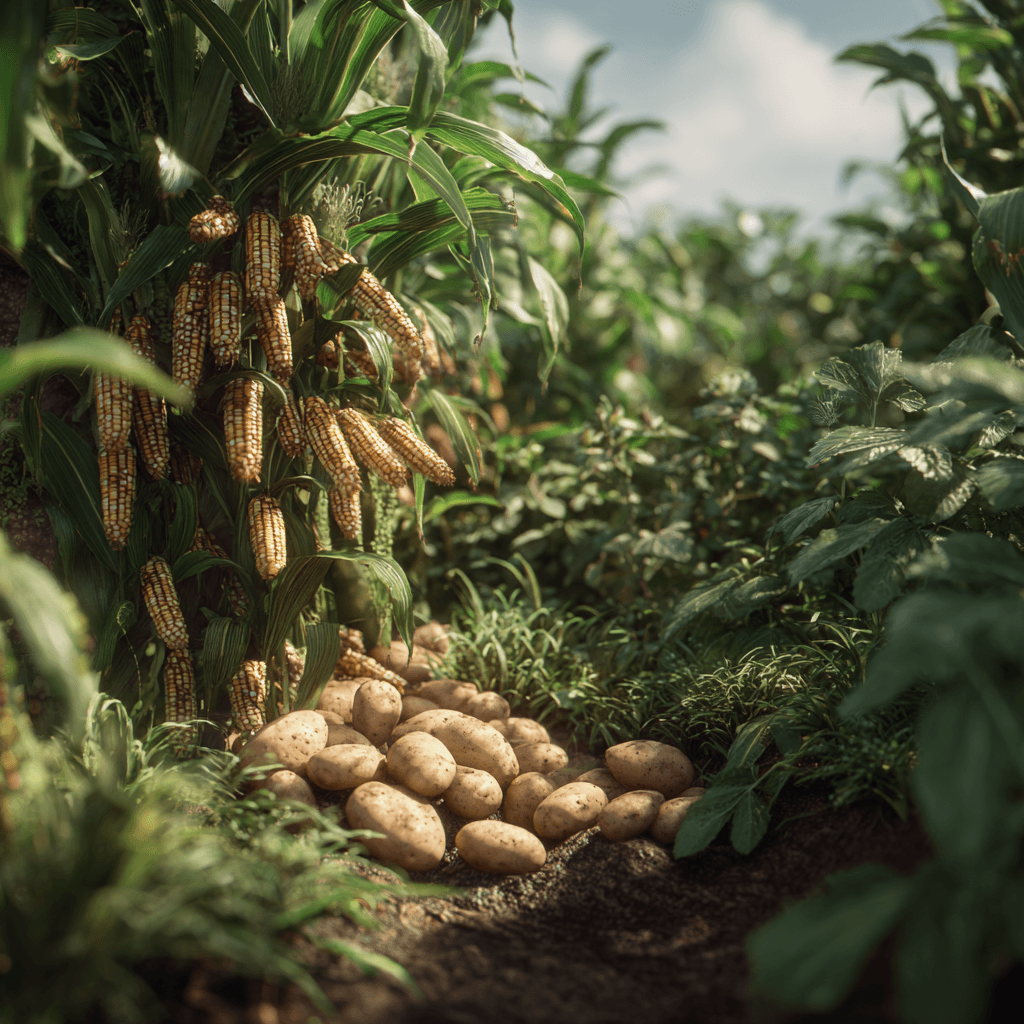
Traditional monoculture farming depletes soil, requires heavy chemical inputs, and leaves farmers vulnerable to single-crop failure. MFS creates self-sustaining farm ecosystems that build fertility over time, reduce costs, spread risk, and increase total productivity per unit of land.
The result? Farmers report consistent yields even in drought years. Families achieve food security that extends throughout the year. Incomes increase as multiple crops provide both sustenance and marketable surplus.
04
Impact
The MFS Effect
The majority of smallholder farmers practicing the Machobane Farming System in Lesotho report that, even under harsh climatic conditions, they are able to sustain their families and secure their livelihoods by effectively applying its principles and techniques.
A lady who has been an MFS practitioner for several years in the village of Chepheseli in Leribe district told National University of Lesotho’s Faculty of Agriculture lecturers how she and her husband were able to pay school fees for their children, buy them uniform and renovate their house with the money the received from selling their homestead garden vegetables and cropland products like maize, sorghum and potatoes to retailers in town.
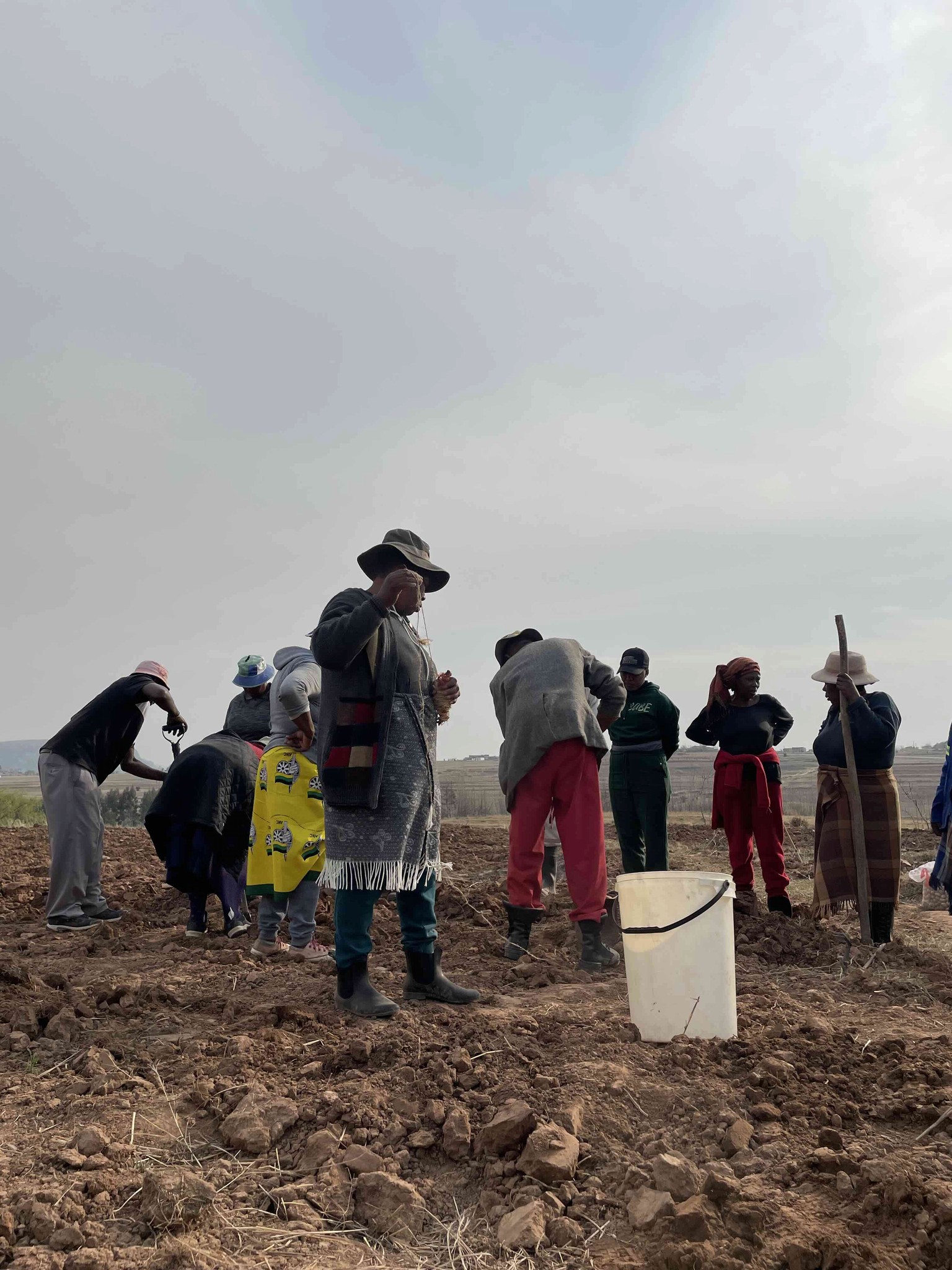
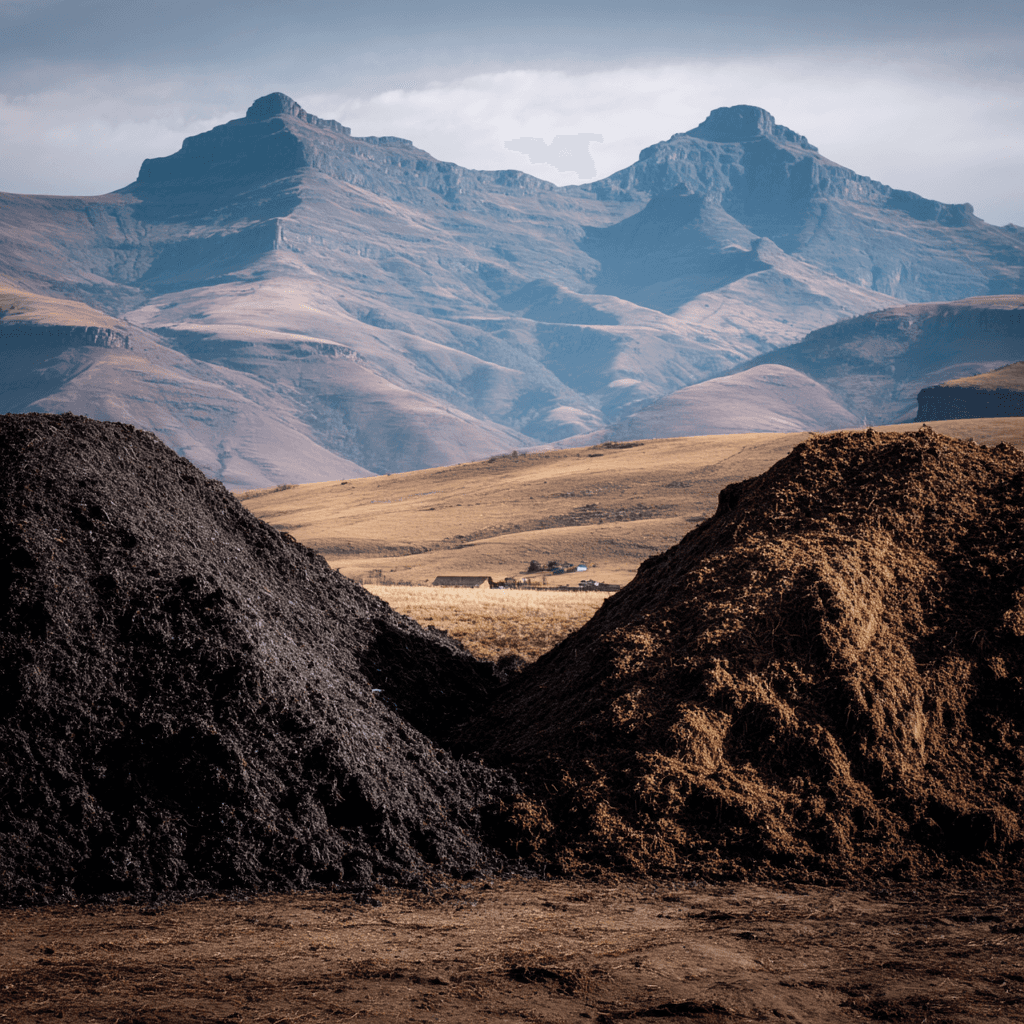
Smallholder farmers in the village of Qomoqomong in Quthing district report that the size of their homestead garden vegetables was increased after they applied Machobane compost to produce them. Here too the increase in size did not affect the quality of their products so they say.

+-3000
farmers practice the Machobane Farming System in the ten districts of Lesotho.

MADF has collaborated with the Ministry of Agriculture and Food Security and other NGO's in home gardening training activities in the production of nutritious food especially for poor households, HIV/AIDS affected families and HIV/AIDS Support Groups.
05
The Team
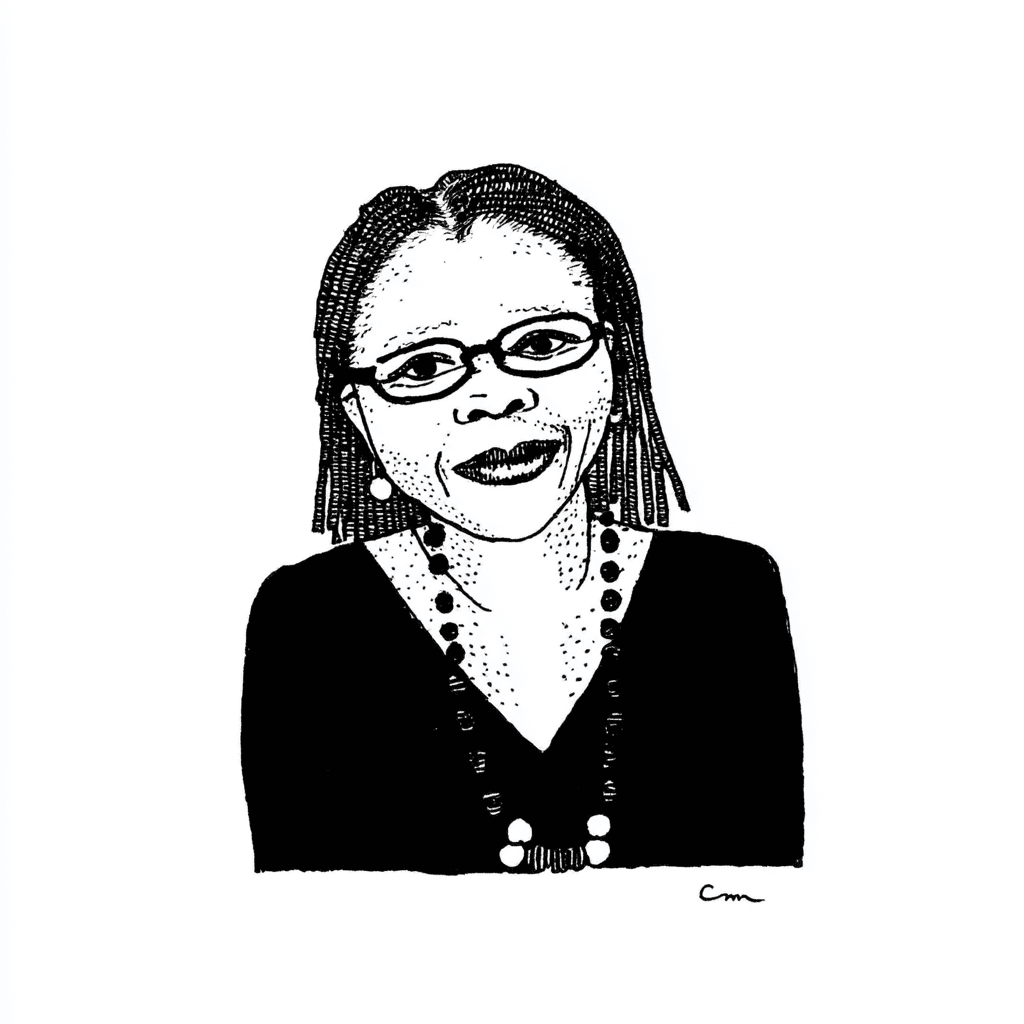
Meet our team
Our team supports farmers with practical, sustainable agricultural solutions that build resilience, restore the soil, and strengthen food security.





06
Contact us
Get in touch
For enquiries, partnerships, or programme support, please contact MADF using the form, our team will respond as soon as possible.