
A Farming System Rooted in Resilience
MADF back on the field.
Scope of work
Field Work
,
MFS Training
Location
Butha-Buthe
Impact
38 Farmers
Activity
After years of rest and reflection, we are thrilled to share that MADF has officially reignited its fieldwork efforts and the response has been incredible!
Where we’ve been:
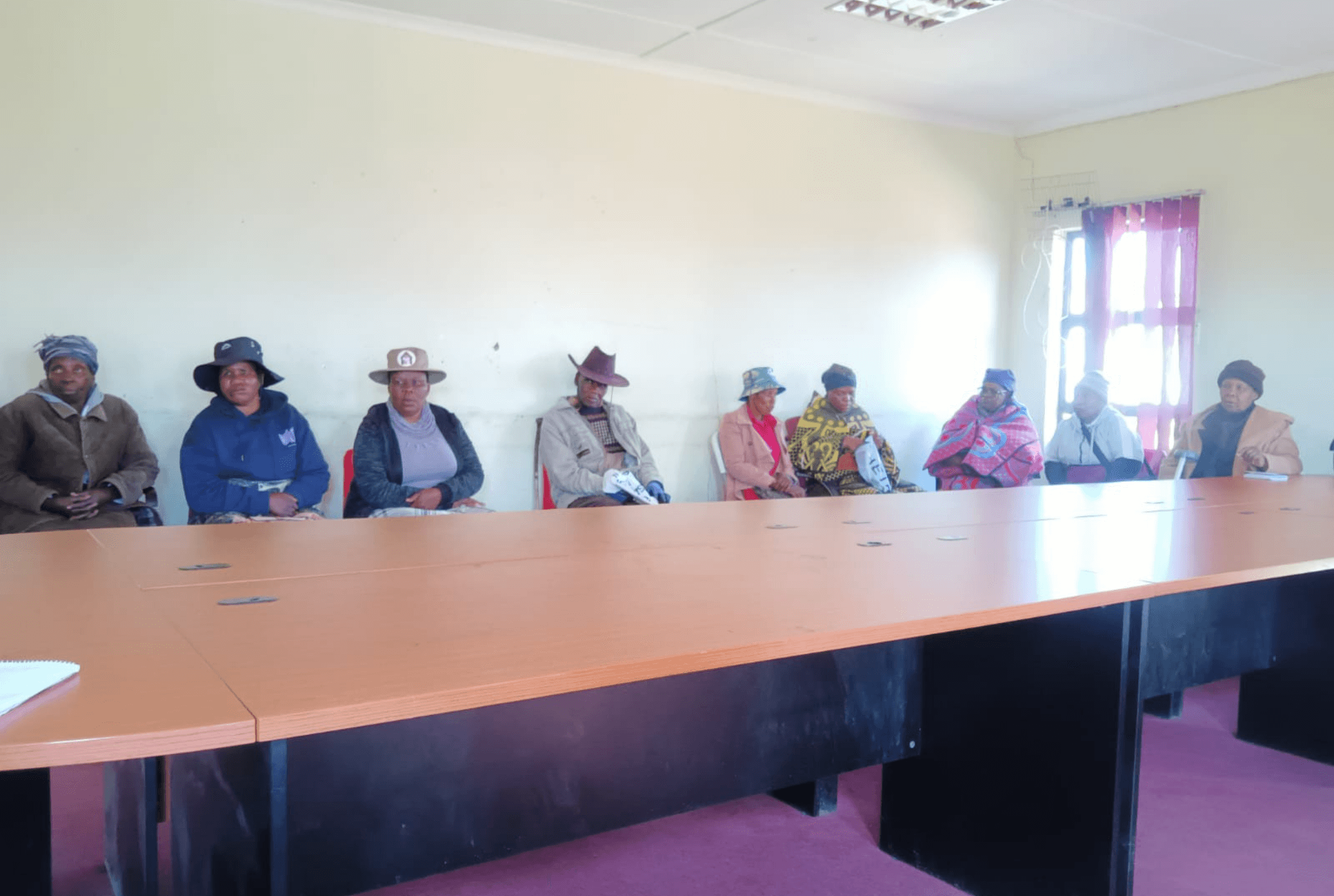
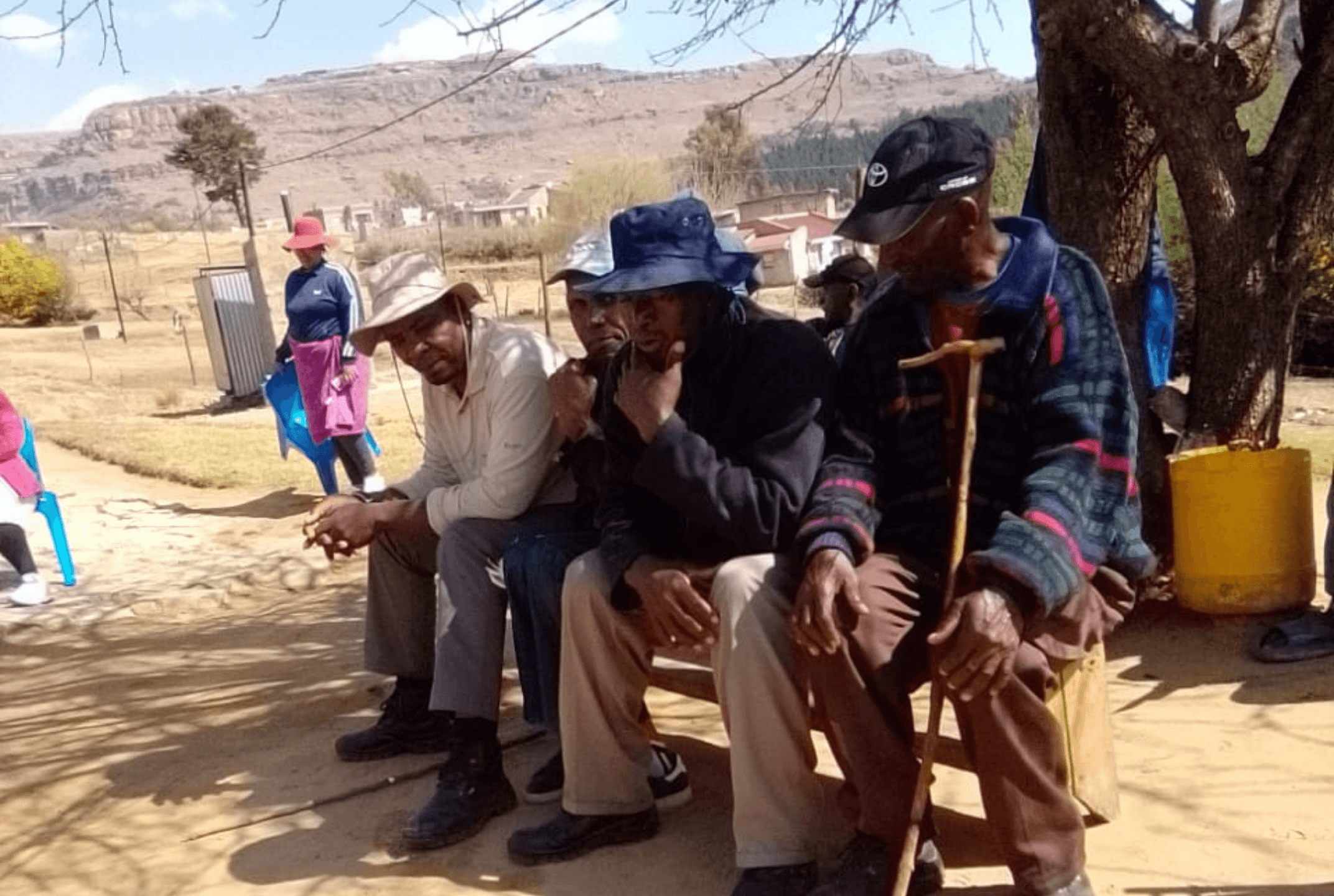
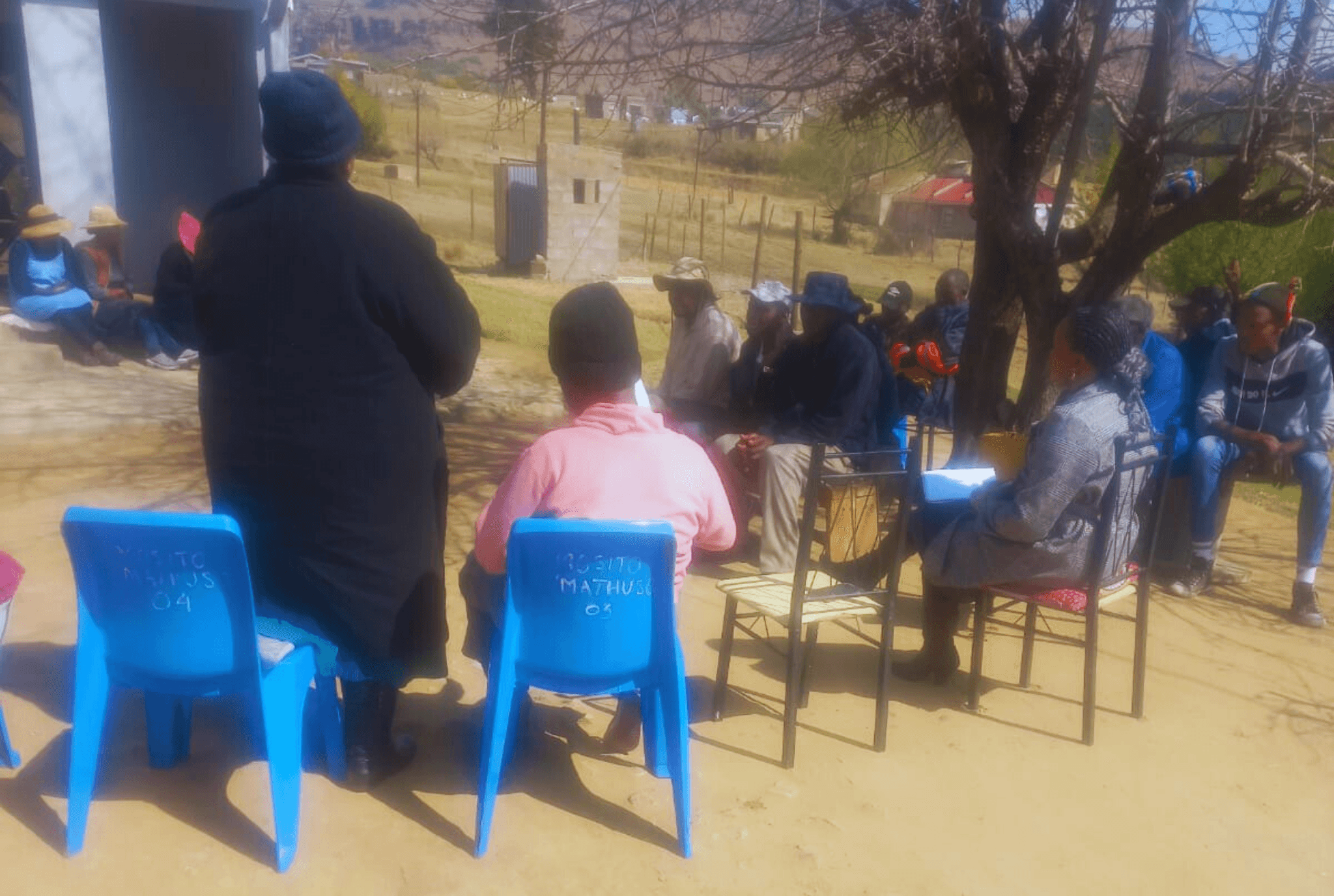
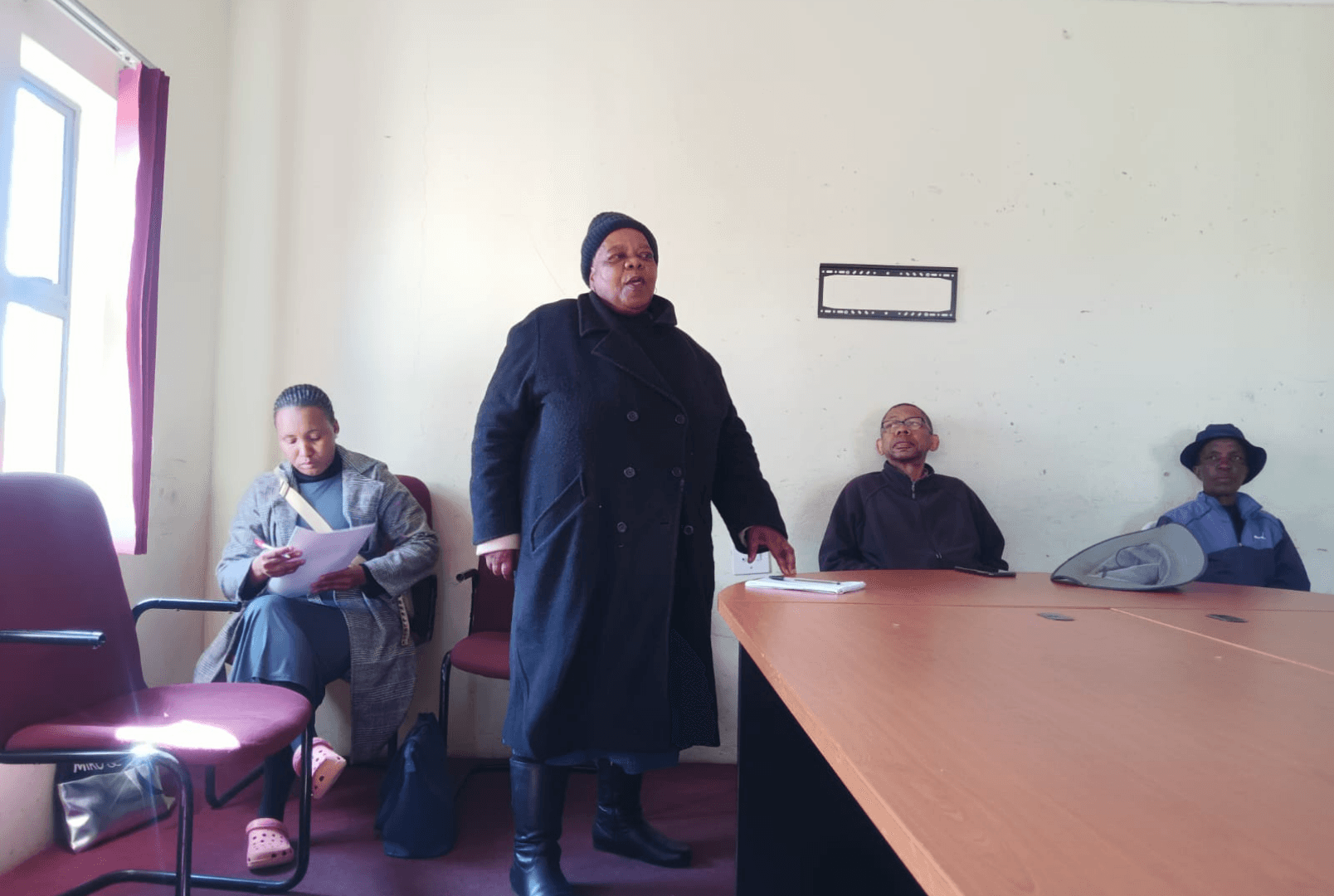
Ha Ramapepe, Leribe (18 August 2025): Over 20 enthusiastic farmers gathered to reconnect with MFS practices. There was strong interest in potato farming, especially for both consumption and value-added products like Vaseline, hair food, and porridge flour. They highlighted just how eager they are to learn, with MADF providing hands-on guidance and training every step of the way through the MFS journey.
Manamela & Ha Chepeseli, Butha Buthe (19 August 2025): 18 (with more expected) passionate farmers expressed their eagerness to roll out full MFS in their fields. Growing all seven system crops: potatoes, maize, beans, sorghum, wheat, pumpkins, and peas, alongside garden vegetables like carrots, tomatoes, and green peppers. These farmers are ready to fully embrace MFS, practicing integrated pest management and showcasing the climate resilience strategies that define MFS. They’re also calling for frequent training sessions to deepen their knowledge and refine their practices.
What’s next?
From climate adaptation to crop diversification, our farmers are hungry for knowledge and we’re here to deliver. Their commitment is clear, and their passion is driving MADF forward.
These initial meetings are powerful first steps in shaping how we’ll collaborate to tackle food insecurity and build long-term resilience. And if all goes according to plan, our first field school kicks off on August 29!
This is just the beginning. The land is calling and Basotho are answering 🇱🇸
And more good news, MADF’s offices are now officially open three days a week! We’re welcoming anyone interested in learning more about the Machobane Farming System to visit us. This is more than a program, it’s a movement rooted in self-reliance, community empowerment, and the revival of our agricultural legacy.